Türkçe
 English
 Deutsch
 Français
 Pусский
 Español
 Italiano
 Português
 Azərbaycan
 العربية


Seafood with Çiğdem Alagök
This modular program designed for professional chefs and chef candidates who want to specialize in fish and seafood cuisine offers a comprehensive and intensive practical content ranging from curing techniques to raw fish applications, from shellfish to the fundamental cooking methods of Japanese cuisine. Participants gain the competence to add contemporary, creative, and technically strong seafood dishes to their menus by experiencing the entire process from product selection and storage to hygiene, preparation, and cooking techniques firsthand.
Training Fee
72.000,00₺
Location

Culinary Classroom Kanyon

Training Duration
The duration of the new training period will be announced.

Training Period
The new training period will be announced.

Training Hours
The hours of the new training period will be announced.
Payment Plan
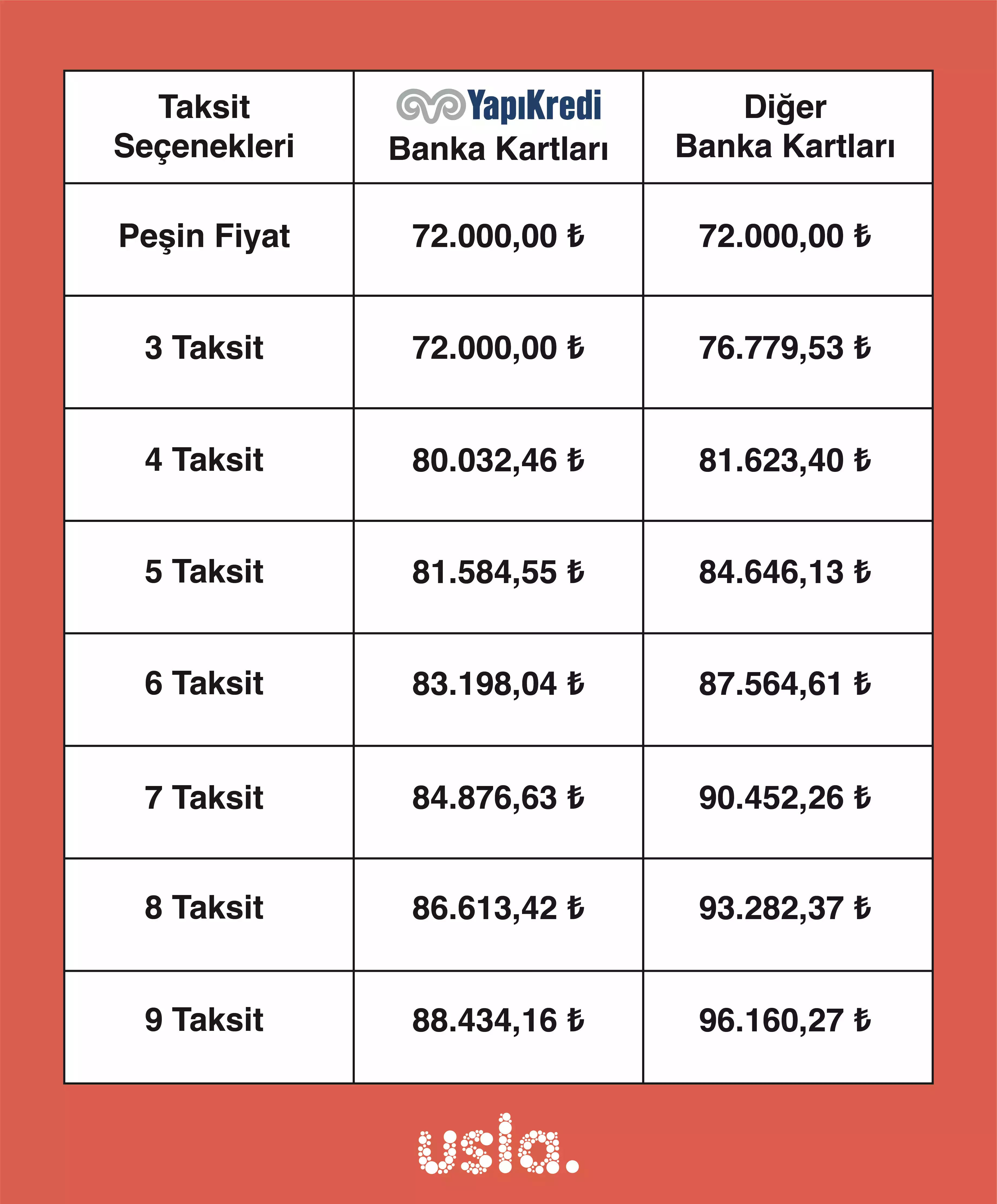

Training Program
The entire training program is designed by our expert instructor chefs to ensure you are fully equipped for a career in the kitchen.
1st DAY
Introduction & Basic Fish – Seafood Knowledge
- Classification of fish and seafood
- Selection, freshness control, and storage
- Hygiene and food safety
- Knife knowledge, filleting
- Introduction to cooking techniques
2nd DAY
- Lakerda Salting Techniques
- Salmon Gravlax (demo)
- Sous Vide Salmon
- Cauliflower puree
- Green bean & arugula salad
- Dry and wet curing
- Ebi Tempura
- Grilled Octopus (demo)
3rd DAY
- Smoked Salmon
- Shellfish – Moules Marinieres
- Flounder Roulade
- Jerusalem artichoke puree & mussel accompaniments
- Beurre Blanc sauce
4th DAY
- Sea Bass Ceviche
- Sweet Mango & Chili sauce
- Oyster opening + Mignonette sauce
- Waxed Fish (confit)
- Çiroz – drying
- Smoked Trout
- Tasting session & technical explanation
5th DAY
- Miso Soup
- Introduction to Japanese cuisine
- Sanmai Oroshi – Chipura
- Nimono & Yaki example
6th DAY
- Miso Mackerel Stew
- Dashi & Umami
- Basic dashi preparation
- Umami techniques
- Seaweeds – usage
- Participants who attend at least 80% of the program are entitled to receive a USLA approved
“Fish, Seafood Modular Training” participation certificate.
Training Rules
- • The minimum age limit for all trainings is 18.
- • Our students are required to wear student uniforms provided by USLA for all kitchen classes outside of classroom lessons.
- • It is mandatory to bring the equipment provided by USLA for use during the lesson.
- • Both male and female students are prohibited from wearing earrings – piercings, watches, bracelets, or rings. Our students must enter classes with trimmed nails, no nail polish, and no makeup. Students with long hair must tie their hair back. Male students are prohibited from having mustaches and beards during the training period. They must attend classes clean-shaven.
- • USLA reserves the right to make possible changes to the lessons during the training period and to add extra lesson days. Changes in lesson dates and trip notifications will be communicated by Student Affairs.
- • USLA plans to organize industry trips during the training period on Fridays. Participation in field trips is not mandatory but is recommended. Date notifications will be made by student affairs.
- • The instructor chef has the right to refuse entry to students who do not comply with the rules.
- • Students must be at school 1 [one] hour before the lesson starts and prepare for the upcoming lesson.
- • Students are responsible for arriving on time according to the assigned weekly tasks, and after completing their tasks, they must be ready at their workstations before the lesson starts.
- • Students who arrive late to class will not be admitted until the first break and will be marked as half a day absent.
- • The practical lesson flow continues with the chef's theoretical and practical explanation in the kitchen, after which students proceed to their stations to prepare their recipes as demonstrated.
- • At the end of the lesson, cleaning and washing of the gastronomes is the student's responsibility, and the classroom must be left clean.
- • For students registered in the internship program who complete their first term training, the internship location is determined by USLA based on students' opinions. It is mandatory to intern at the designated location, and no changes to the internship location are allowed. The average grade obtained by the student during the training period is one of the determining factors for the internship location.
- • Industry trips will be organized during the program. Personal food/drink expenses during industry trips are the responsibility of the student.
Others
49.000,00₺
JANUARY 2027

44.000,00₺
The date of the new training period will be announced.
The new training hours will be announced.

48.000,00₺
OCTOBER 2026
48.000,00₺
The new training period will be announced.
The hours of the new training period will be announced.

14.500,00₺
NOVEMBER 2026

29.000,00₺
NOVEMBER 2026

95.000,00₺