Türkçe
 English
 Deutsch
 Français
 Русский
 Español
 Italiano
 Português
 Azərbaycan
 العربية

Professional Culinary Training
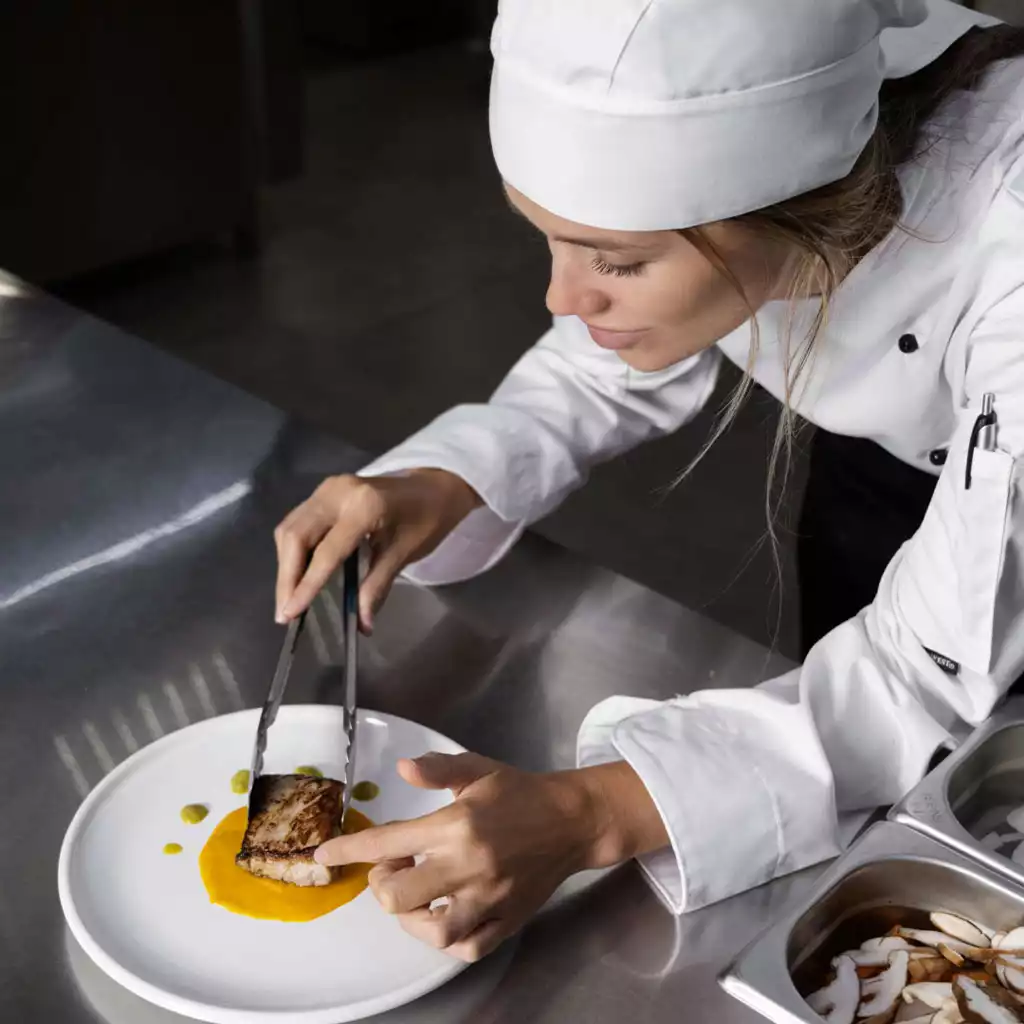
USLA Professional Culinary Training is a comprehensive training program designed for those who want to pursue a career in gastronomy, acquire culinary skills, or enhance their professional kitchen abilities.
In the training conducted at the Istanbul Kanyon Campus, students learn the fundamental disciplines of professional kitchens through practical applications, from basic knife techniques to professional cooking methods, sauces, meats, and seafood, as well as menu planning and plate presentation.
USLA collaborates academically with the Basque Culinary Center (BCC) located in San Sebastián, Spain. Within the scope of this collaboration, the curriculum, learning outcomes, assessment methods, and academic quality processes of the Professional Culinary program are evaluated and monitored in accordance with the standards set by BCC.
The training is conducted by USLA's academic staff. The academic development and quality assurance processes of the program are supported within the framework of the collaboration with BCC.
Offering MEB-approved certificates and internship training options, the Professional Culinary Training combines theoretical knowledge with intensive practical training for those who want to make a strong start in the culinary sector.
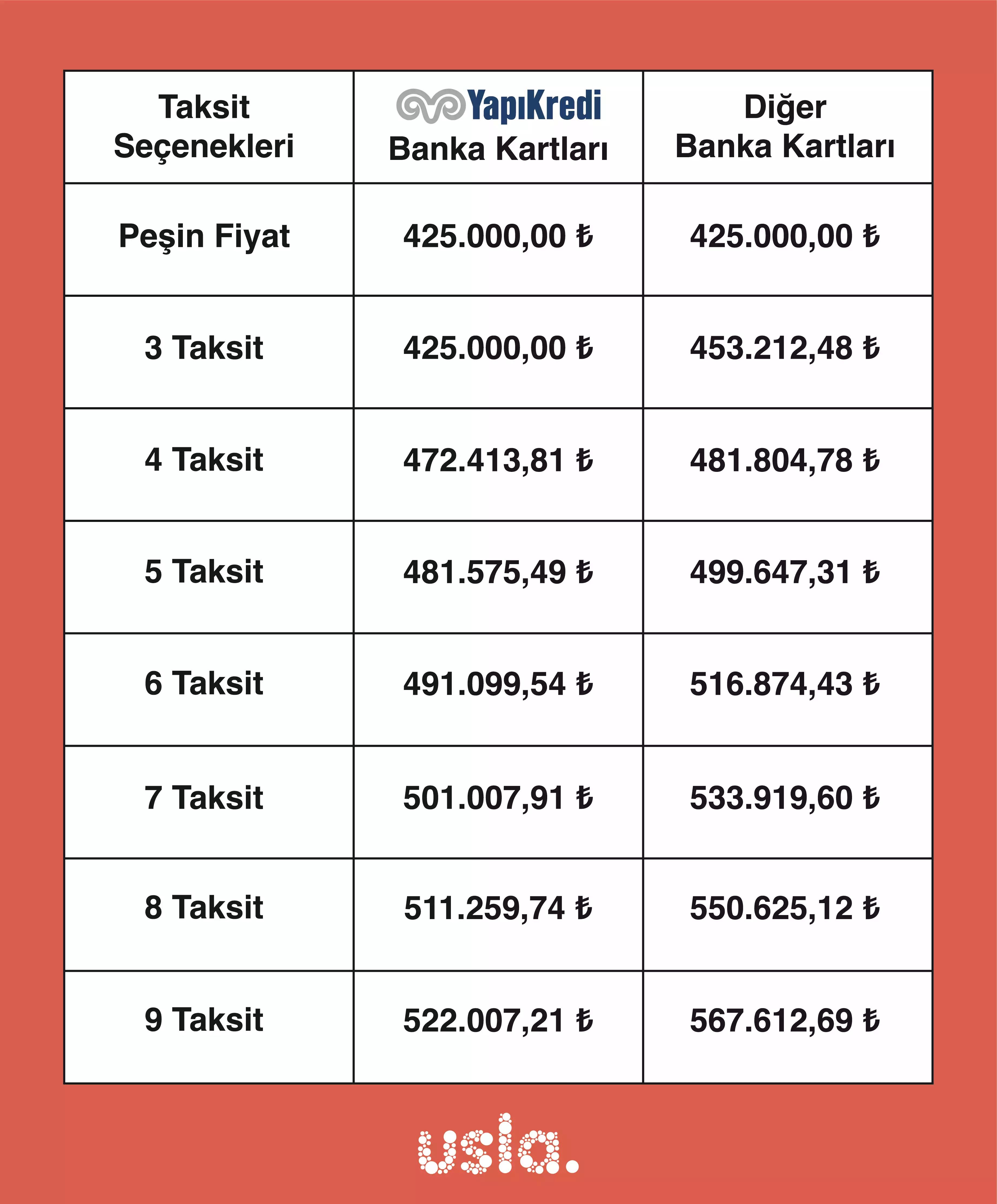
Training Fee
500.000,00₺
(The early registration cash price of 425,000 TL is valid for applications and registrations made until 31.12.2026.)
(All credit cards are eligible for 3-month installment options)
Location

with Culinary Class Kanyon

Training Duration
Professional Culinary Training is offered with weekday and weekend groups.
Weekdays from Monday to Thursday
Weekends Saturday - Sunday
The non-internship option of the program is 4 months, while the internship option is a total of 8 months. The internship program supports students in gaining professional kitchen experience after their training.

Training Period
January 25, 2027 (Weekdays)
January 30, 2027 (Weekend)

Training Hours
08:30 - 14:00 Weekdays
08:30 - 18:00 Weekend
Payment Plan
Profesyonel Aşçılık Eğitimi Kimler İçin Uygundur?
Program; aşçılığı profesyonel bir meslek olarak edinmek isteyenler, farklı sektörlerden gastronomiye geçiş yapmayı planlayanlar, mutfak becerilerini geliştirmek isteyenler ve yiyecek-içecek sektöründe kariyer hedefleyenler için uygundur.
Önceden profesyonel mutfak deneyimine sahip olmak gerekmez.
Profesyonel Aşçılık Eğitimi için önceden mutfak deneyimi gerekir mi?
Hayır. USLA Profesyonel Aşçılık Eğitimi, mutfak deneyimi olmayan katılımcılardan mesleki becerilerini geliştirmek isteyenlere kadar farklı seviyelerdeki öğrenciler için uygundur.
USLA’nın Basque Culinary Center (BCC) ile iş birliği ne anlama geliyor?
USLA ile BCC arasındaki akademik iş birliği, Profesyonel Aşçılık programının BCC tarafından belirlenen akademik kalite standartları doğrultusunda değerlendirilmesini ve sürekli gelişiminin desteklenmesini kapsar. Eğitim USLA tarafından verilir.
Profesyonel Aşçılık Eğitimi sonunda hangi diploma ve sertifikaları alırım?
Programı başarıyla tamamlayan öğrenciler USLA diploması, USLA program sertifikası ve ilgili MEB belgelerini alır. USLA diplomasında BCC sertifikasyon mührü yer alır.
Profesyonel Aşçılık Eğitimi ne kadar sürüyor?
USLA Profesyonel Aşçılık Eğitimi, 4 ay stajsız ve toplam 8 ay stajlı seçeneklerle sunulur. Hafta içi ve hafta sonu eğitim grupları bulunmaktadır.
Aşçılık eğitimini tamamladıktan sonra hangi alanlarda çalışabilirim?
Mezunlar; restoran, otel, catering ve farklı profesyonel mutfak işletmelerindeki pozisyonlara yönelebilir. Program, kendi gastronomi işletmesini kurmayı hedefleyen katılımcılar için de mesleki temel oluşturur.
Training Program
The entire training program is designed by our expert instructor chefs to ensure you are fully equipped for a career in the kitchen.
THEORETICAL COURSES
- • History of Cuisine
- • Psychology in the Gastronomy Sector
- • Nutrition
- • Food Safety and Hygiene
- • Purchasing & Costing
- • Menu Planning and Menu Engineering
- • Equipment Knowledge
- • Sustainability and Waste-Free Kitchen
- • Wine Education
FIELD COURSES
- • Compost Facility Visit
PRACTICAL COURSES
- • Knife Cutting Techniques
- • Waste-Free Kitchen
- • Whole Chicken Breakdown
- • Stocks
- • Basic & Derived Sauces and Emulsifiers
- • Garde Manger (Cold Kitchen Applications)
- • Cured Meats
- • Cheeses
- • Eggs
- • Fermentation
- • Soups
- • Cooking Techniques
- • Dry Cooking Techniques (Sautéing, Stir-Fry, Deep Fry, Grilling, Roasting Techniques)
- • Wet Cooking Techniques (Boiling, Simmering, Blanching, Poaching, Shallow Poaching, Steaming Techniques)
- • Combination (Stewing, Braising Techniques)
- • Vegetables
- • Legumes & Grains
- • Doughs – Pastas
- • Yeasted Doughs
- • Poultry
- • Red Meats
- • Offals
- • Fish & Seafood
- • Basic Bread Products
- • Basic Plate Desserts
- • Graduation Banquet Preparation
Certificates held by USLA graduates
• Students who successfully complete the program are entitled to receive certificates appropriate to the diploma and programs organized by USLA.
• The USLA diploma includes the BCC certification seal based on the academic quality standards of the Basque Culinary Center.
• Additionally, a MEB-approved Culinary Course Completion Certificate and relevant training certificates are offered within the program.
Every student at USLA is ready for the kitchen!
Student Kit owned by USLA students
• USLA Chef Jacket - 2 pieces
• USLA Chef Pants - 1 piece
• USLA Chef Cap - 1 piece
• USLA Chef Apron - 2 pieces
• Professional Kitchen Shoes - 1 pair
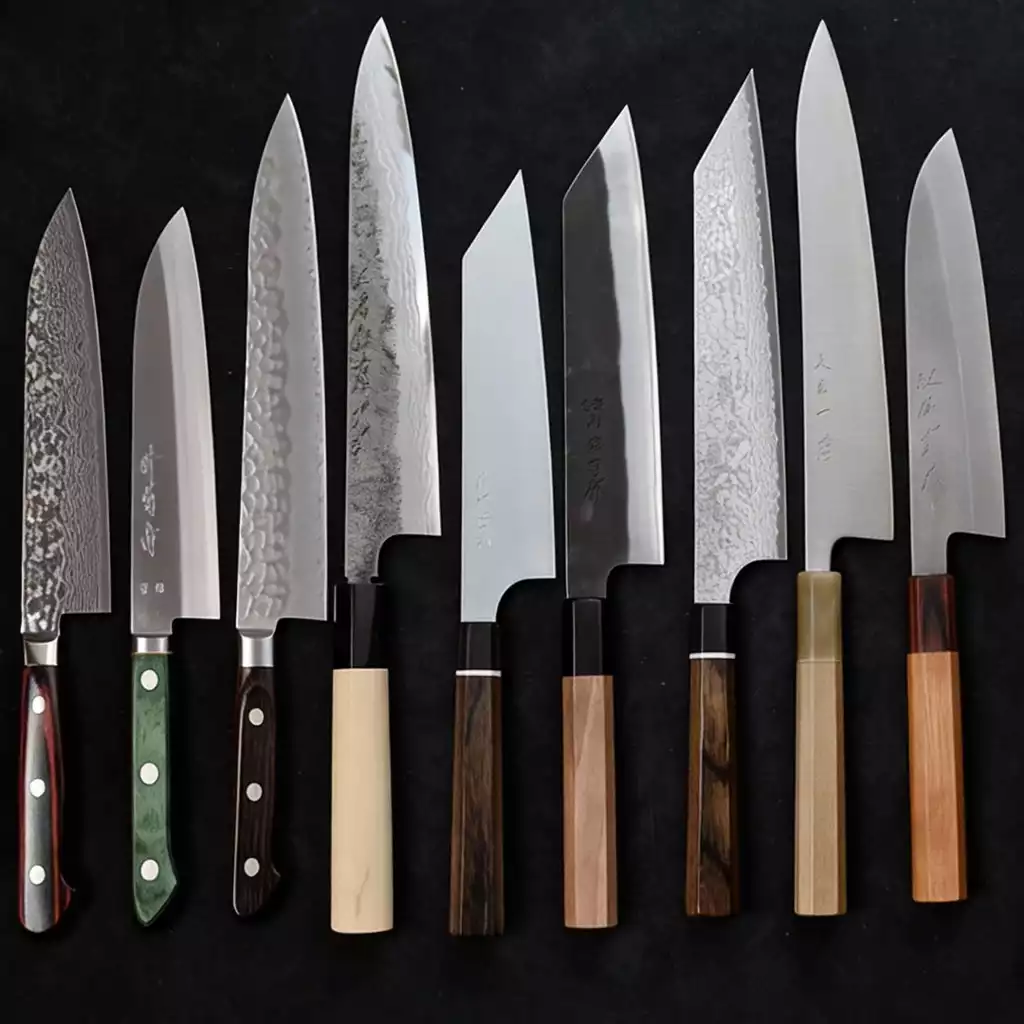
• Knife Set
• USLA Student Bag
• “On the Path of Professional Culinary” Textbook
Training Rules
- • The minimum age limit for all trainings is 18.
- • Students are required to wear the student uniforms provided by USLA for all kitchen classes outside of classroom lessons.
- • It is mandatory to bring the equipment provided by USLA for use during the lessons.
- • Both male and female students are prohibited from wearing earrings – piercings, watches, bracelets, and rings. Students must enter classes with trimmed nails, no nail polish, and no makeup. Long-haired students must tie their hair back. Mustaches and beards are prohibited for male students during the training period. They must attend classes clean-shaven.
- • USLA reserves the right to make possible changes to the lessons and add extra class days during the training period. Changes in lesson dates will be communicated by the Student Affairs.
- • USLA plans to conduct industry visits on Fridays during the training period. Participation in field trips is not mandatory but is recommended. Date notifications will be made by student affairs.
- • The instructor chef/trainer has the right to refuse entry to students who do not comply with the rules.
- • Students must be at school 1 [one] hour before the class hour and prepare for the upcoming lesson.
- • Students are responsible for arriving on time at school according to the designated weekly tasks, and after fulfilling their duties, they must be ready at their workstations prepared before the class hour.
- • Late students will not be admitted to class until the first break, and this will count as a half-day absence.
- • The practical lesson flow continues after the theoretical and practical explanation of the lesson chef in the kitchen, where students proceed to their stations to prepare their recipes as demonstrated.
- • At the end of the lesson, cleaning and washing of gastronomes is the responsibility of the student, and the classroom must be left clean.
- • For students registered in the program with internships, the internship location is determined by USLA based on students' opinions after completing the first semester of training. It is mandatory to do the internship at the designated place, and no changes to the internship location are allowed. The student's grade point average during the training period is one of the determining factors for the internship location.
- • Industry visits will be conducted during the program. Personal meals/drinks during industry visits are the responsibility of the student.
Others

72.000,00₺
The new training period will be announced.
The hours of the new training period will be announced.
48.000,00₺
The new training period will be announced.
The hours of the new training period will be announced.

44.000,00₺
NOVEMBER 2026

JUNE 2025
The new training period will be announced.
49.000,00₺
JANUARY 2027
90.500,00₺
The date of the new training period will be announced.
The new training hours will be announced.

44.000,00₺
The date of the new training term will be announced.
The new training hours will be announced.

24.000,00₺
The date of the new training term will be announced.
The new training hours will be announced.