Türkçe
 English
 Deutsch
 Français
 Pусский
 Español
 Italiano
 Português
 Azərbaycan
 العربية


Special Culinary Training for Entrepreneurs
This intensive training covers essential theoretical and practical knowledge on the path to professional cooking, including cost calculation, food hygiene and safety, purchasing, menu planning, service, business development, food and beverage management, revenue and menu management, business management, sales and marketing, CRM and social media, human resources management, and entrepreneurship. It is suitable for aspiring chefs who want to open their own restaurant, those planning to start their own business, employees in the food and beverage sector, or entrepreneurs from different educational and professional backgrounds. No prior industry experience is required to embark on this journey to be fully equipped for a career in Food and Beverage Management.
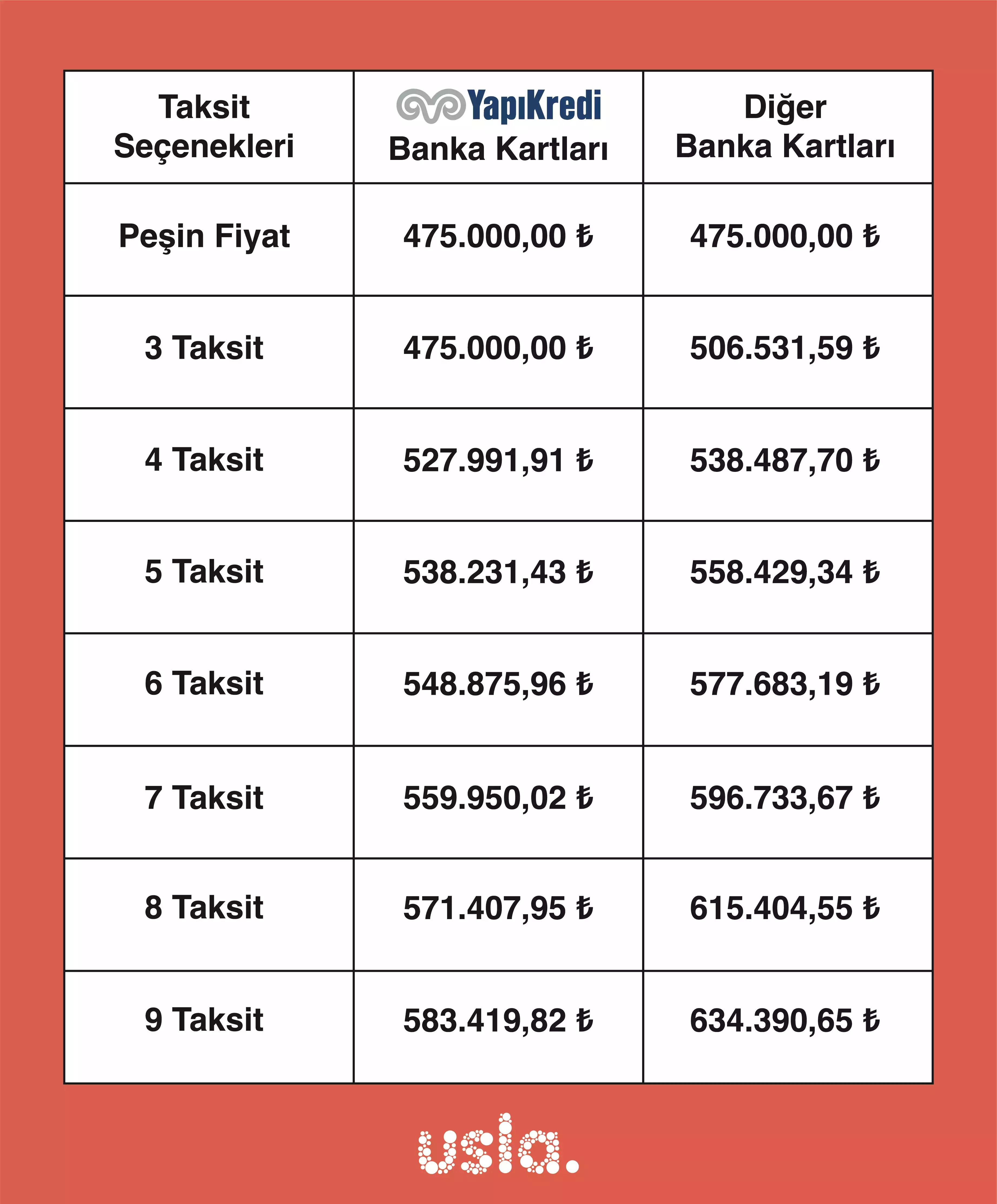
Training Fee
475.000,00₺
Cash Price
Location

with Culinary Class Kanyon

Training Duration
4 months without internship (Weekdays) / 8 months with internship
4 months without internship (Weekends) / 8 months with internship
Weekdays from Monday to Thursday
Weekends Saturday - Sunday
.

Training Period
January 25, 2027 (Weekdays)
January 30, 2027 (Weekends)

Training Hours
08:30 - 14:00 Weekdays
08:30 - 18:00 Weekends
Payment Plan

Training Program
The entire training program is designed by our expert instructor chefs to ensure you are fully equipped for a career in the kitchen.
THEORETICAL CLASSES
- • History of Cuisine
- • Psychology in the Gastronomy Sector
- • Nutrition
- • Food Safety and Hygiene
- • Purchasing & Cost
- • Menu Planning and Menu Engineering
- • Equipment Knowledge
- • Sustainability and Zero Waste Kitchen
- • Wine Education
- • Introduction to the Food and Beverage Sector
- • Marketing and Communication
- • Brand Identity and Management
- • Investment and Business Feasibility
- • Digital Marketing
- • Accounting
- • Menu Theoretical Knowledge
- • Human Resources and Personnel Selection
- • Service Standards
- • Beverage Strategies
- • Occupational Safety
- • Entrepreneurship
- • Purchasing and Storage
- • Maintenance, Repair, Renovation
- • Payment/Reporting Systems Technology and QR
- • Operational Handbook
- • Branching and Franchising
- • Trends and New Concepts
- • Cost Control
- • Catering
- • Food and Hygiene Safety
- • Kitchen Organization
FIELD CLASSES
- • Compost Facility Tour
- • Food and Beverage Management Field Trip
PRACTICAL CLASSES
- • Knife Cutting Techniques
- • Zero Waste Kitchen
- • Whole Chicken Breakdown
- • Stocks
- • Basic & Derivative Sauces and Emulsifiers
- • Garde Manger (Cold Kitchen Applications)
- • Cured Meats
- • Cheeses
- • Pâté & Terrines
- • Eggs
- • Fermentation
- • Soups
- • Cooking Techniques
- • Dry Cooking Techniques (Sautéing, Stir-Fry, Deep Fry, Grilling, Roasting Techniques)
- • Wet Cooking Techniques (Boiling, Simmering, Blanching, Poaching, Shallow Poaching, Steaming Techniques)
- • Combination (Stewing, Braising Techniques)
- • Vegetables
- • Legumes & Grains
- • Doughs – Pastas
- • Yeasted Doughs
- • Poultry
- • Red Meats
- • Offals
- • Fish & Seafood
- • Basic Bread Products
- • Basic Plated Desserts
- • Graduation Banquet Preparation
Certificates held by USLA graduates
• AHA Diploma "Certificate in Culinary Arts" is valid for the internship program.
• USLA "Professional Basic Level Culinary Program" Certificate
• Ministry of National Education approved "Culinary" Course Completion Certificate
• Ministry of National Education "Food and Beverage Services Management" Course Completion Certificate
• USLA "Food and Beverage Services Management" Participant Certificate
• "Hygiene Training for Workers in the Food and Water Sector" Course Completion Certificate
• Basic Occupational Health and Safety Training Certificate
• Fermented Beverage Basic Knowledge and Tasting Techniques Certificate
Every student at USLA is ready for the kitchen!
USLA Student Kit
• USLA Chef Jacket - 2 pieces
• USLA Chef Pants - 1 piece
• USLA Chef Hat - 1 piece
• USLA Chef Apron - 2 pieces
• Professional Kitchen Shoes - 1 pair
• Knife Set
• USLA Student Bag
• "On the Path to Professional Cooking" and "Food and Beverage Management" Course Book
Training Rules
- • The minimum age requirement for all trainings is 18.
- • Students are required to wear the student uniforms provided by USLA for all kitchen classes outside of classroom lessons.
- • It is mandatory to bring the equipment provided by USLA for use during classes.
- • Both male and female students are prohibited from wearing earrings – piercings, watches, bracelets, and rings. Students must enter classes with trimmed nails, no nail polish, and no makeup. Long-haired students must tie their hair up. Male students are prohibited from having mustaches and beards during the training period. They must attend classes clean-shaven.
- • USLA reserves the right to make possible changes to classes and add extra class days during the training period. Changes in class dates and field trip notifications will be communicated by Student Affairs.
- • USLA plans to conduct industry trips on Fridays during the training period. Participation in field trips is not mandatory but is recommended. Date notifications will be made by student affairs.
- • The instructor chef/trainer has the right to refuse entry to students who do not comply with the rules.
- • Students must be at school 1 [one] hour before class time and prepare for the upcoming class.
- • Students are responsible for arriving on time according to the designated weekly assignments, and after fulfilling their duties, they must be ready with their workstations prepared before class time.
- • Late students will not be admitted to class until the first break, and this will count as a half-day absence.
- • The practical class flow continues after the theoretical and practical explanation by the class chef in the kitchen, where students proceed to their stations to prepare their recipes as demonstrated.
- • At the end of the class, cleaning and washing of gastronomes is the student's responsibility, and the classroom must be left clean.
- • For students who complete the first semester training registered in the internship program, the internship location is determined by USLA based on the students' opinions. It is mandatory to intern at the designated location, and no changes to the internship location are allowed. The average grade the student achieves during their training period is one of the determining factors for the internship location.
- • Industry trips will be conducted during the program. Personal food/drink expenses during industry trips are the responsibility of the student.
Others
49.000,00₺
JANUARY 2027

44.000,00₺
The date of the new training period will be announced.
The new training hours will be announced.

48.000,00₺
OCTOBER 2026
48.000,00₺
The new training period will be announced.
The hours of the new training period will be announced.

72.000,00₺
The new training period will be announced.
The hours of the new training period will be announced.

14.500,00₺
NOVEMBER 2026

29.000,00₺
NOVEMBER 2026