Türkçe
 English
 Deutsch
 Français
 Русский
 Español
 Italiano
 Português
 Azərbaycan
 العربية

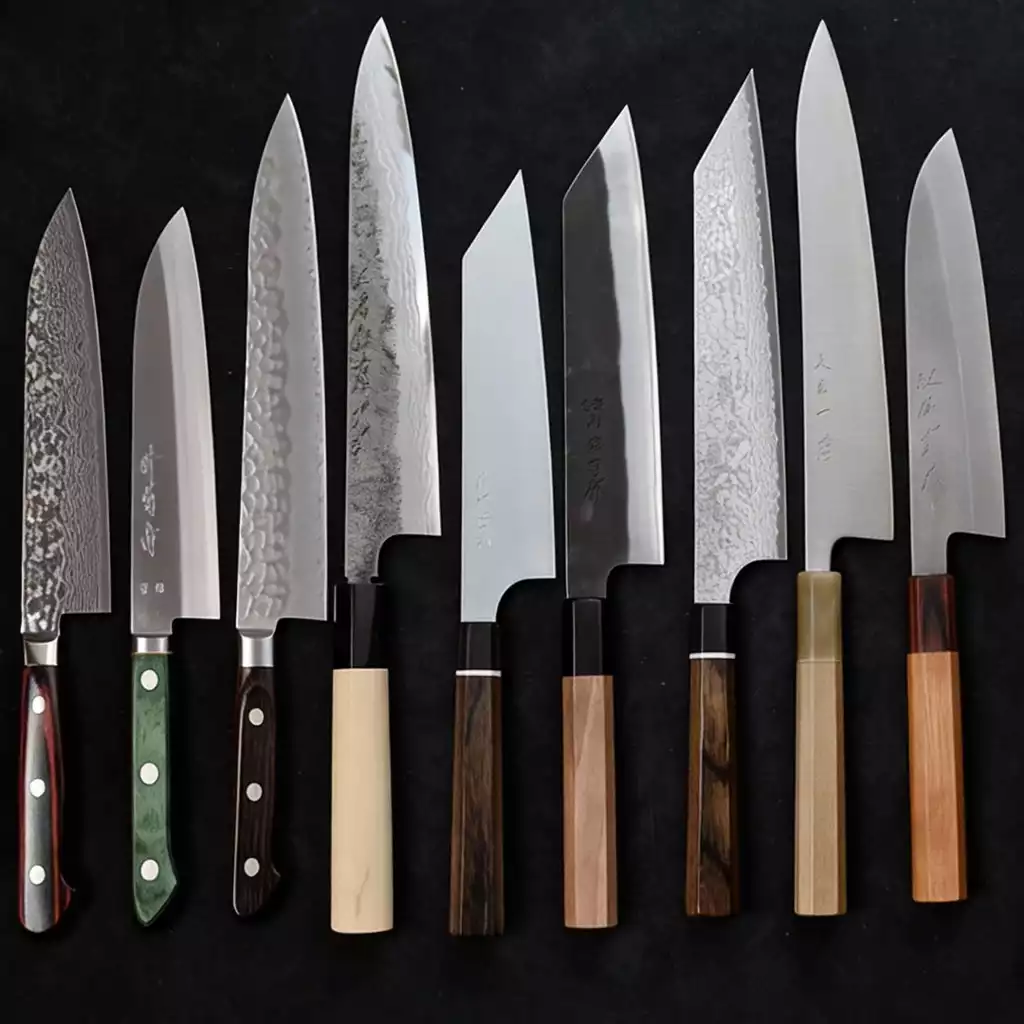
Bronze Certified Japanese Cuisine Training
Are you ready to transform the ancient philosophy, technical discipline, and cultural heritage of Japanese culinary arts into an internationally recognized expertise?
The Bronze Certificate Program, approved by the Ministry of Agriculture, Forestry and Fisheries of Japan (MAFF), is conducted to certify foreign chefs who wish to prove their knowledge and skills in traditional Japanese cuisine. This advanced training, based on the Washoku culture, which is included in the UNESCO Intangible Cultural Heritage list, aims for participants to have complete mastery of original ingredient knowledge, conceptual depth, and traditional cooking disciplines.
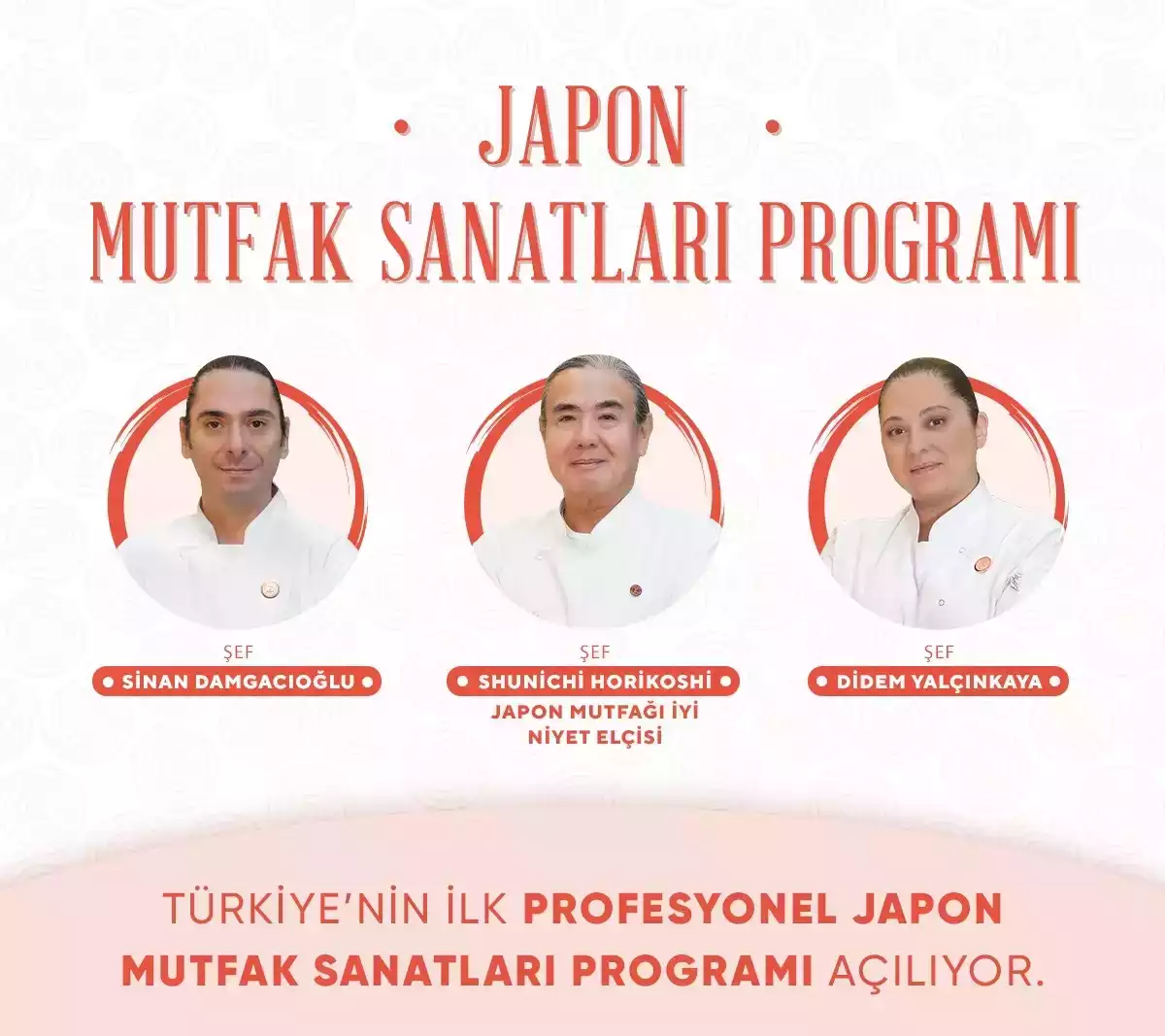
Turkey's first Professional Japanese Culinary Arts Program, presented under the management of Japan Cuisine Goodwill Ambassador and master chef Shunichi Horikoshi, along with Turkey's first Silver Certified chefs Sinan Damgacıoğlu and Didem Yalçınkaya, is held exclusively at the USLA Kanyon Campus in collaboration with the Far East Culinary Academy. We welcome all industry professionals who wish to gain globally recognized Japanese cuisine competence.
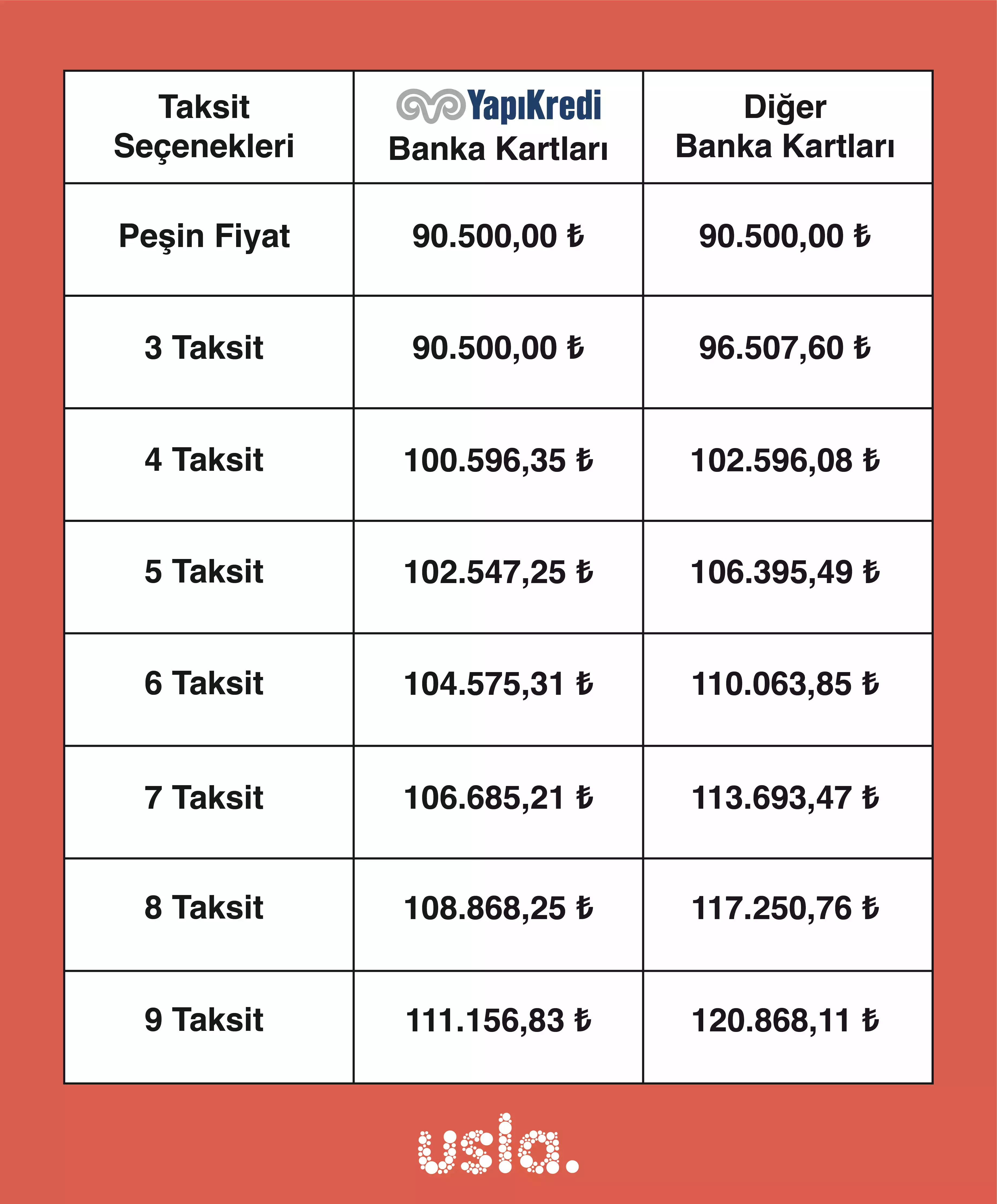
Training Fee
90.500,00₺
Location
Kanyon

Training Duration
The duration of the new training period will be announced.

Training Period
The date of the new training period will be announced.

Training Hours
The new training hours will be announced.
Payment Plan

Training Program
The entire training program is designed by our expert chef instructors to ensure you are fully equipped for a career in the kitchen.
- • Orientation
- • Hygiene Training
- • Omotenashi
- • History of Japanese Cuisine
- • Japanese Knives and Sharpening Techniques
- • Katsura-Muki Cutting Technique
- • Katsura-Muki Cutting Technique and Tsuma
- • Vegetable Preparation and Cutting Techniques
- • Decorative Vegetable Cutting Techniques
- • Basic Fish Cutting Techniques
- • Sanmai Oroshi
- • Dashi and Umami
- • Fermented Products (Shoyu, Miso, Vinegar, Sake, Mirin)
- • Introduction to Five Cooking Techniques
- • Katsura-Muki Cutting Technique
- • Decorative Vegetable Cutting Techniques
- • Dashi and Umami
- • Fermented Products (Shoyu, Miso, Vinegar, Sake, Mirin)
- • Theoretical Exam
- • Practical Exam
- • Bronze Certificate Exam
The certificate held by USLA graduates
• Internationally Valid MAFF (Ministry of Agriculture, Forestry and Fisheries of Japan) approved Bronze Certificate - Certification of Cooking Skills for Japanese Cuisine in Foreign Countries
• USLA “Professional Japanese Culinary Arts” certificate
Every student at USLA is ready for the kitchen!
Student Set owned by USLA students
• USLA Chef Jacket (1 piece)
• USLA Chef Cap (1 piece)
• USLA Chef Apron (1 piece)
• Knife Sharpening Stone
• Usuba Knife
• Training Booklet
Training rules
- • The minimum age requirement for all trainings is 18.
- • Our students are required to wear the student uniforms provided by USLA for all kitchen classes outside of classroom lessons.
- • It is mandatory to bring the equipment provided by USLA for use during lessons.
- • Wearing earrings – piercings, watches, bracelets, and rings is prohibited for both male and female students. Our students are required to enter classes with trimmed nails, no nail polish, and no makeup. Long-haired students must tie their hair back. Mustaches and beards are prohibited for male students during the training period. They must attend classes clean-shaven.
- • USLA reserves the right to make possible changes to lessons during the training period and to add extra lesson days. Changes in lesson dates will be communicated by the Student Affairs.
- • The instructor has the right to refuse to admit students who do not comply with the rules to the class.
- • Students must be at school 1 [one] hour before the lesson time and prepare for the upcoming lesson.
- • Students are responsible for arriving on time according to the assigned weekly tasks and must be ready with their workstations prepared before the lesson time after fulfilling their duties.
- • Students arriving late to class will not be admitted until the first break, and this will count as a half-day absence.
- • The practical lesson flow continues after the theoretical and practical explanation of the lesson chef in the kitchen, where students proceed to their stations to prepare their recipes as demonstrated.
- • At the end of the lesson, cleaning and washing of the gastronomes is the student's responsibility, and the classroom must be left clean.
- • Industry visits will be conducted during the program. Personal food/drink expenses during industry visits are the responsibility of the student.
Others

72.000,00₺
The new training period will be announced.
The hours of the new training period will be announced.
48.000,00₺
The new training period will be announced.
The hours of the new training period will be announced.

14.500,00₺
NOVEMBER 2026
44.000,00₺
NOVEMBER 2026

JUNE 2025
The new training period will be announced.
49.000,00₺
JANUARY 2027
44.000,00₺
The date of the new training term will be announced.
The new training hours will be announced.
24.000,00₺
The date of the new training term will be announced.
The new training hours will be announced.